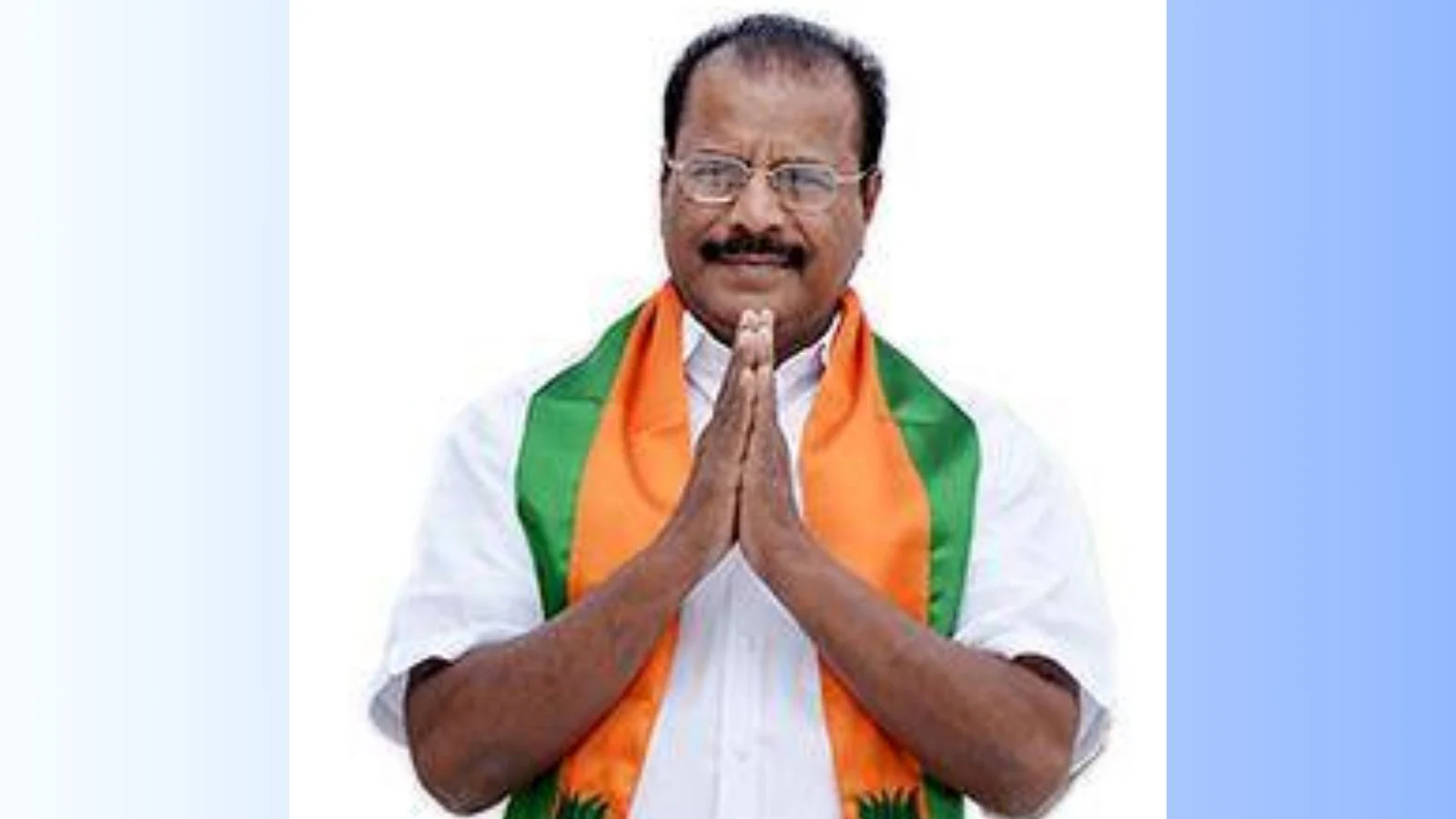
President, BJP United States Unit
In the landscape of modern Indian politics, the relationship between political parties and the Indian diaspora has emerged as a significant dimension of both political organization and national governance. With over four million Indian-Americans forming one of the most influential immigrant communities in the United States, the engagement of Indian political parties with this diaspora carries implications that extend far beyond conventional electoral politics.
Nallu Indrasena Reddy's tenure as President of the BJP's United States Unit placed him at the intersection of these complex dynamics. His role was to build and manage a political organization that could meaningfully connect the Indian diaspora in America with the democratic processes and developmental aspirations of their homeland — a task that required navigating the regulatory, cultural, and logistical challenges of operating a political organization across national boundaries.
The BJP's overseas units serve multiple functions: they provide a platform for diaspora Indians to engage with Indian politics, they facilitate cultural and ideological exchange between overseas communities and the parent organization, and they create networks of support and advocacy that contribute to India's international engagement. Under Indrasena Reddy's leadership, the US Unit worked to strengthen each of these functions, building organizational structures that could sustain meaningful engagement beyond individual events or elections.
Diaspora Engagement Strategy
One of Indrasena Reddy's key contributions was developing a systematic approach to diaspora engagement that went beyond episodic mobilization. Rather than viewing the Indian-American community simply as a source of financial or political support during election seasons, he worked to create ongoing platforms for dialogue, cultural exchange, and policy discussion. This approach recognized that the Indian diaspora's engagement with their homeland is rooted in a complex web of cultural identity, family connections, economic interests, and civic consciousness — all of which require sustained and sophisticated engagement rather than transactional outreach.
His strategy involved creating forums for discussion on topics ranging from India's economic reforms and foreign policy to educational collaboration and healthcare innovation. These forums brought together Indian-American professionals, entrepreneurs, academics, and community leaders with Indian policymakers and party leaders, creating channels of communication and influence that enriched both the diaspora's understanding of India's trajectory and the party's understanding of global perspectives on Indian governance.
Organizational Challenges
Managing a political party's overseas operations presents unique organizational challenges. The Indian diaspora in the United States is itself diverse — encompassing multiple linguistic, regional, religious, and professional communities with varying degrees of political engagement and different perspectives on Indian politics. Building an organizational structure that could represent and engage this diversity while maintaining political coherence required the kind of pragmatic organizational skills that Indrasena Reddy had developed through decades of domestic political work.
Furthermore, operating within the American regulatory and political environment required sensitivity to the norms and expectations of a different democratic tradition. The BJP's US Unit had to function in ways that were both true to its Indian political identity and respectful of American political conventions — a balancing act that demanded cultural intelligence and organizational flexibility.
Global Perspective
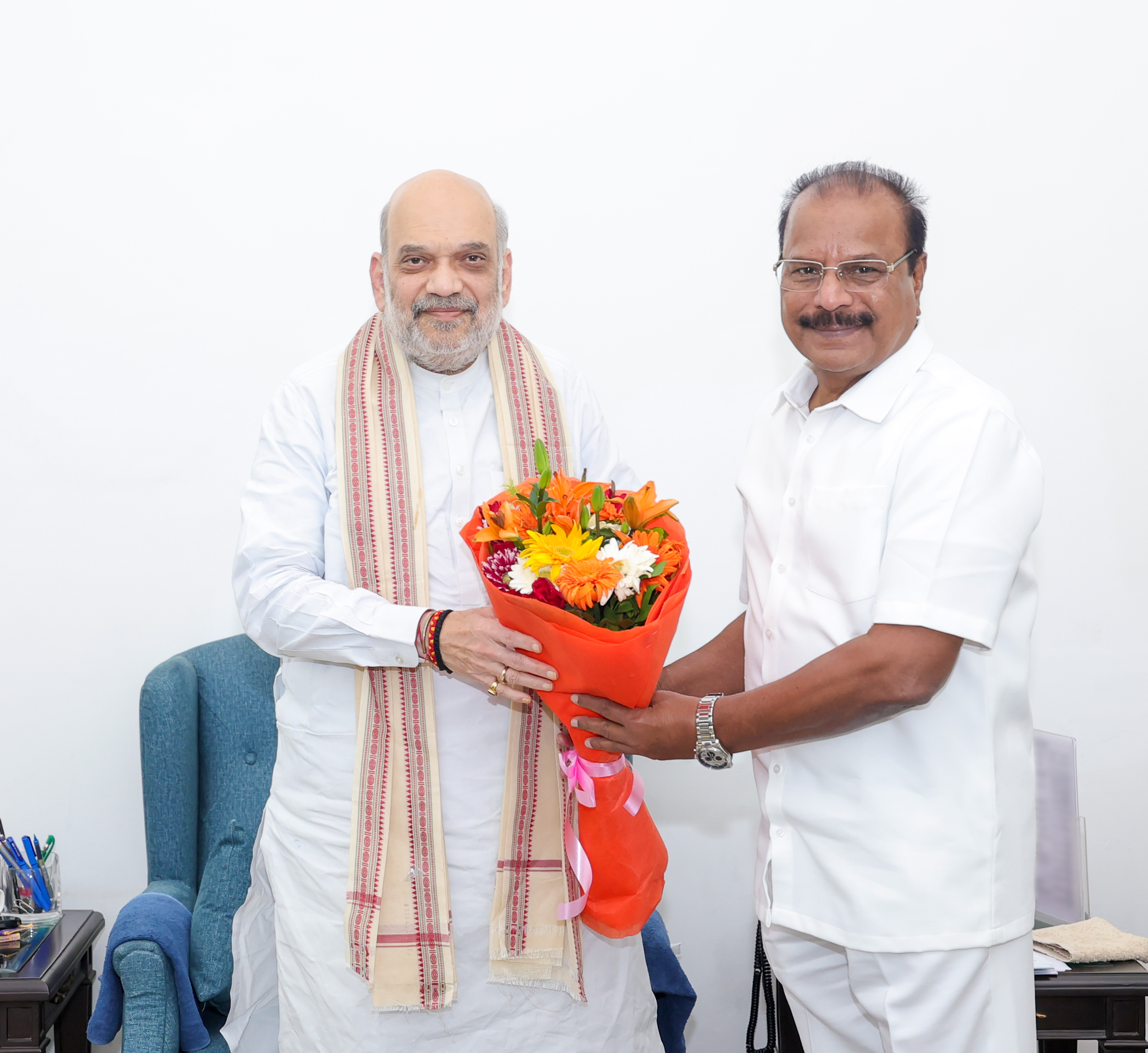
His international experience has given him a comparative perspective on governance, democratic processes, and the role of diaspora communities in national development. This global view enriches his approach to constitutional governance in Tripura, where India's Act East Policy makes international awareness particularly relevant.
Cultural Bridge
Beyond political organization, his role involved serving as a cultural bridge between the Indian and American contexts — facilitating understanding of Indian democratic traditions among American audiences and bringing global best practices to Indian political discourse.